
Misdemeanor vs Felony: Key Differences in Legal Consequences
Understanding the Legal Definitions
We often hear the terms felony and misdemeanor in the context of the legal system. It’s crucial to understand the differences between these two types of crimes, their classifications, and their varying levels of severity.
Distinction Between Felony and Misdemeanor
Felonies and misdemeanors are both categories of crimes, but they differ significantly. Felonies are more serious offenses that typically result in harsher punishments. These can include crimes like murder, rape, and armed robbery.
Misdemeanors , on the other hand, are less severe and carry lighter sentences. Examples include petty theft, minor drug offenses, and some traffic violations. The key distinction lies in the severity of the crime and its corresponding punishment.
Classification of Crimes
Felonies : The governing jurisdiction and offense-specific law determine the classification and possible punishment. Ask counsel which classification applies to your charge.
Misdemeanors : Labels and classifications vary by jurisdiction. Ask counsel to review the actual charged provision rather than rely on a general class example.
Severity and Seriousness of Offenses
The severity of a crime is determined by its impact on the victim and society. Felonies cause more harm and thus, are seen as more serious. Examples include violent crimes like assault or large-scale fraud.
Misdemeanors are considered less severe because they typically involve lesser harm. They might include offenses like public intoxication or vandalism. While still punishable, the penalties reflect their lower level of seriousness compared to felonies.
Understanding these differences helps us grasp how the legal system prioritizes and handles various criminal charges. The division into felonies and misdemeanors ensures that the punishments fit the crimes, reflecting their severity and impact.
Consequences and Legal Ramifications
When it comes to legal consequences, misdemeanor and felony convictions affect various aspects of a person’s life, including their criminal record, civil rights, and employment opportunities.
Sentencing and Penalties
Felony convictions often result in harsher sentences. These may include long-term imprisonment , significant fines , and lengthy periods of probation . In some cases, felonies can lead to life imprisonment or even the death penalty .
On the other hand, misdemeanor convictions usually result in less severe penalties. These might involve short-term imprisonment , smaller fines , and community service . Probation terms tend to be shorter, and some misdemeanors can even lead to court-ordered counseling or rehabilitation programs .
Implications on Civil Rights and Employment
Felony convictions can severely impact a person’s civil rights. Individuals may lose their voting rights , the right to own firearms , and eligibility for certain professional licenses . Housing and employment can also be significantly affected; background checks may reveal the felony conviction, limiting job and rental opportunities.
Misdemeanor convictions generally have less extreme effects, but can still influence employment and housing options. While voting rights typically remain intact, certain professions may still view misdemeanor convictions unfavorably during background checks .
Criminal Records and Expungement
A criminal record can have long-term consequences. Eligibility for record relief depends on the jurisdiction, offense and disposition. Felony convictions and misdemeanor convictions must be assessed under the applicable route; a misdemeanor label alone does not establish eligibility.
In Georgia, an eligible restriction or sealing process can limit certain access without erasing every record or ending all collateral consequences . Counsel can review the specific route.
Navigating the Criminal Justice System
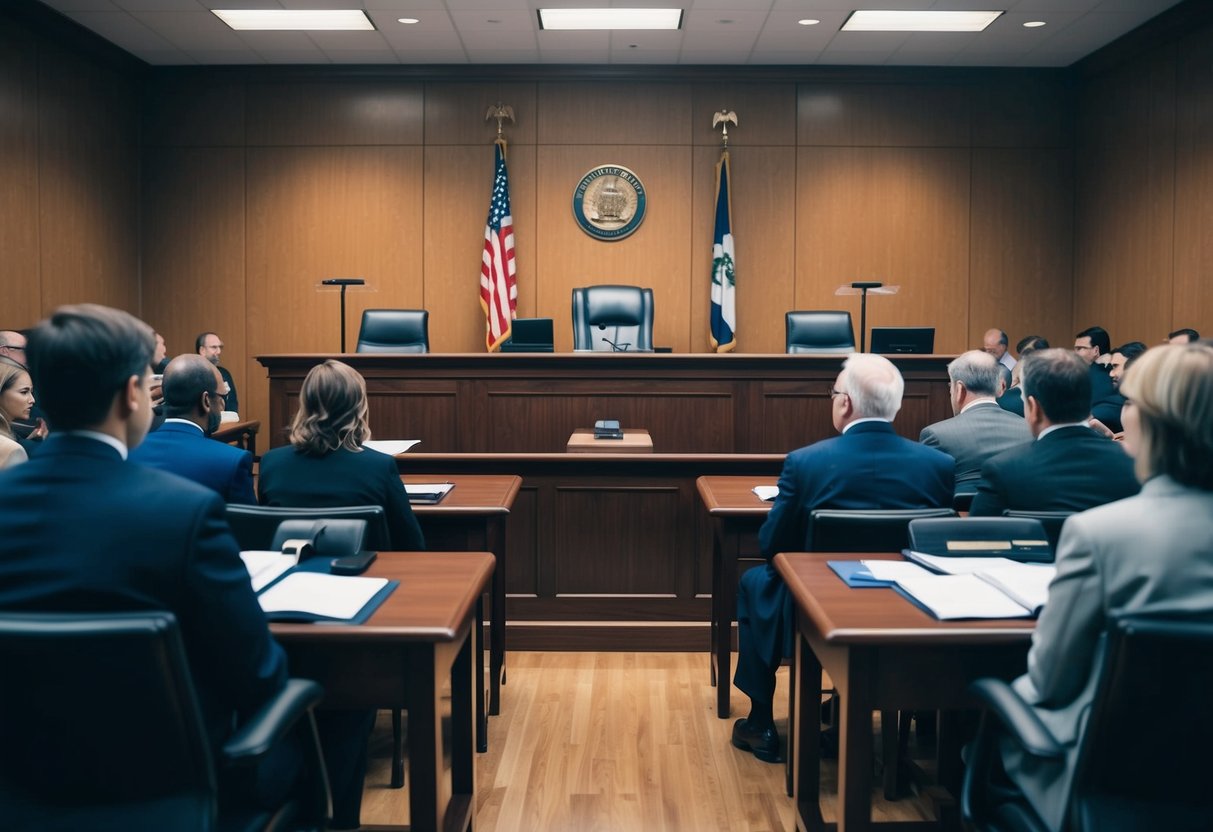
When dealing with criminal charges, understanding the roles of various legal professionals and the processes involved is crucial. From plea bargains to trial proceedings and the possibility of appeals or probation, each step requires careful navigation.
Role of Attorneys and Plea Bargains
Attorneys play a crucial role in the criminal justice system. Criminal defense attorneys represent our interests, ensuring fair treatment. They negotiate with the prosecutor to potentially offer a plea bargain . Plea discussions can concern charges, sentencing recommendations or both. Under Georgia Superior Court rules, the defendant makes the plea decision and the court separately considers acceptance and disposition. Confirm the applicable court rules with counsel. Effective representation often makes a significant difference in the outcome.
Trial Proceedings and Sentencing
During a trial, the court examines evidence and hears from witnesses. A judge or jury decides if we are guilty. If found guilty, sentencing follows. Sentencing can include incarceration , fines, or community service. The judge considers factors like our criminal history and the crime’s severity. Understanding these steps helps us stay informed on what to expect during this critical phase.
Appeals, Parole, and Probation
If we believe there was a legal error in our trial, we can file an appeal . An appeal challenges the outcome and may lead to a new trial or sentence reduction. Parole allows early release from incarceration under supervision. Probation serves as an alternative to jail, requiring us to follow specific conditions. Each option has strict guidelines and impacts our path forward.