
Navigating the Drug Court Process in Marietta: A Comprehensive Guide
Understanding the Drug Court System in Marietta
Drug courts offer a structured program that helps offenders with substance abuse issues. The drug court program combines accountability, supervision and treatment support.
Overview of Drug Court
Drug courts in Marietta focus on treating addiction rather than just punishing drug-related crimes. These courts target high-risk offenders and offer them a chance to join a program that includes strict oversight, drug treatment, and regular court appearances. Participants often face drug charges involving illegal or prescription drugs. Intensive supervision is key, including frequent drug testing and mandatory treatment sessions.
Eligibility and Admittance Criteria
Not all offenders qualify for drug court. Eligibility depends on factors such as the nature of the drug charges, prior criminal history, and the offender’s risk of reoffending. Typically, high-risk offenders involved in non-violent drug crimes are considered. The process starts with a referral from lawyers or law enforcement. A coordinator then assesses the candidate’s suitability, focusing on their addiction severity and willingness to participate in treatment.
Roles of the Drug Court Team
The drug court team includes judges, prosecutors, defense attorneys, probation officers, and treatment providers. The judge oversees the program and ensures participants meet all requirements. Prosecutors handle the legal aspects and help identify eligible candidates. Defense attorneys advocate for the participants’ rights and facilitate their entry into the program. Probation officers provide intensive supervision, while treatment providers focus on addressing substance abuse issues. This collaborative approach aims to reduce recidivism and promote long-term recovery.
The Process and Phases of Drug Court Participation
Drug courts help people facing substance abuse disorders by providing structured and supportive programs. Cobb County Drug Treatment Court describes five program phases. Participants should follow the current handbook, court orders and individual requirements. Each phase has specific goals and requirements.
Phase 1: Initial Supervision and Assessment
In the first phase, participants undergo a comprehensive assessment. This helps to understand their needs related to substance abuse and mental illness. Treatment plans are created and adapted to each individual.
Participants meet regularly with a judge and their case manager. Curfews and random drug tests are common. Early compliance is crucial. Participants can discuss communication and support expectations with the program team. Referrals to treatment programs and support groups are also provided.
Phase 2 to Phase 5: Graduated Treatment and Supervision
Over the next phases, participants face gradually less supervision though they must still comply with program rules. In Phase 2 , more intense treatment continues with frequent court appearances.
Phase 3 involves less frequent meetings, but relapse prevention becomes a key focus. Phase 4 introduces more independence while maintaining regular check-ins.
Phase 5 is about preparing for graduation. The support network aims to ensure long-term recovery and sobriety. Participants must demonstrate consistent compliance and recovery.
Program Requirements and Ongoing Support
Confirm phase and graduation requirements with the program team, and ask separately about any ongoing support resources. These questions distinguish active program requirements from ongoing support.
Participants should confirm ongoing support resources with the program team. Graduates may join support groups to continue their recovery journey. The aim is to prevent relapse and promote a stable, sober life. Ongoing support and alumni resources should be discussed separately from phase and graduation requirements.
Legal Implications and Defense Strategies in Drug Court Cases
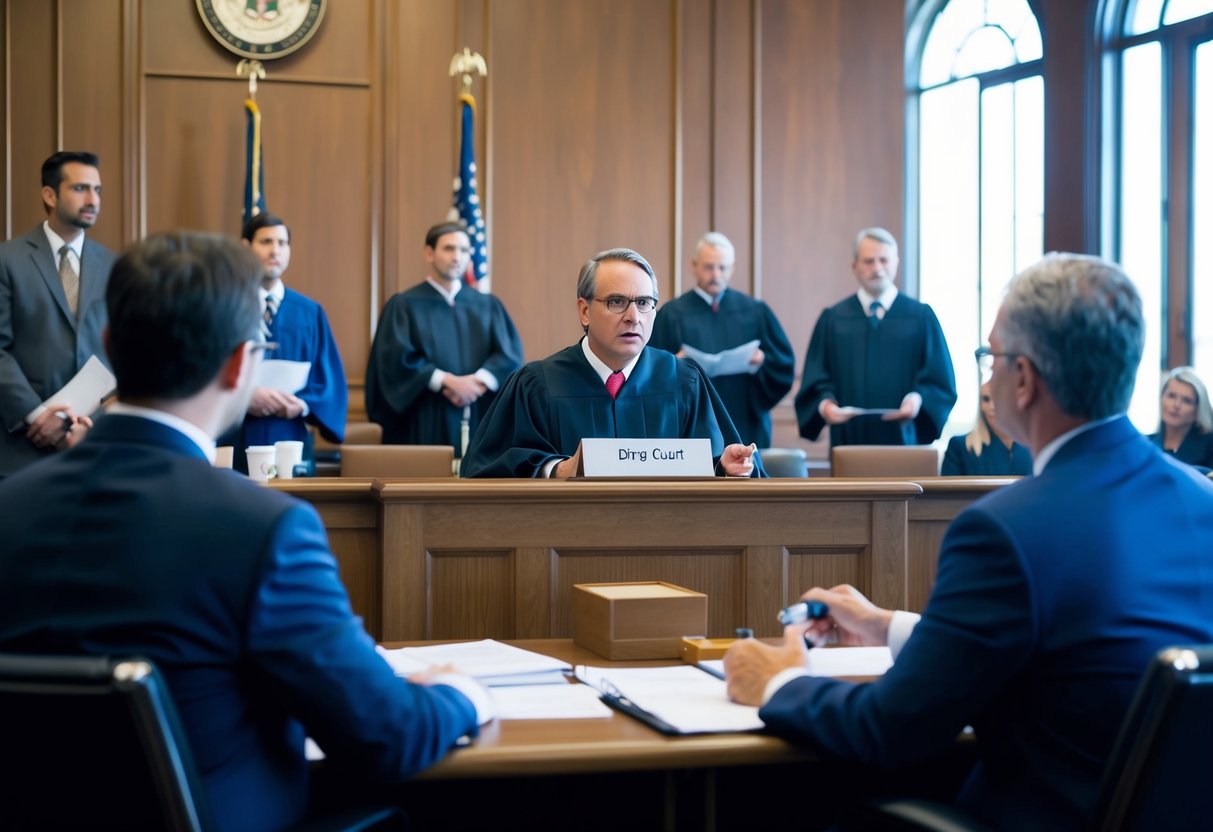
In Marietta drug court cases, understanding the legal implications and having strong defense strategies is crucial. We will focus on navigating charges and defense representation, achieving the best possible outcome, and ensuring that constitutional rights are protected.
Navigating Charges and Defense Representation
We need to evaluate the specific charges and evidence. Whether it’s possession or distribution, our defense strategy must aim to challenge the prosecution’s case. It’s important to look at each detail thoroughly, from police conduct to the evidence’s handling, ensuring everything aligns with due process.
Achieving the Best Possible Outcome
Achieving the best possible outcome is our priority. We aim for an acquittal or reduced charges. Working closely with defense counsel, participants can discuss a strategy suited to their case. Negotiating plea deals might be an option if it means lesser sentences or fines.
We also explore alternative resolutions like drug treatment programs that Marietta drug courts offer. These programs can sometimes provide a second chance, emphasizing rehabilitation over punishment. Grants for treatment might be available, making these alternatives more accessible.
Understanding Constitutional Rights
Understanding our constitutional rights is paramount. We ensure protection against self-incrimination and uphold our right to due process. In drug court cases, confidential handling of personal information is vital.
We must be aware of our right to a jury trial and how it plays into our defense strategy. Ensuring all procedures are correctly followed prevents wrongful convictions and upholds the integrity of the criminal justice system.
In conclusion, a systematic approach to handling charges, focusing on achieving the best possible outcome, and understanding our rights ensures we navigate the complexities of Marietta’s drug court effectively.