
Pre-Trial Motions in DUI Cases: Why They Matter
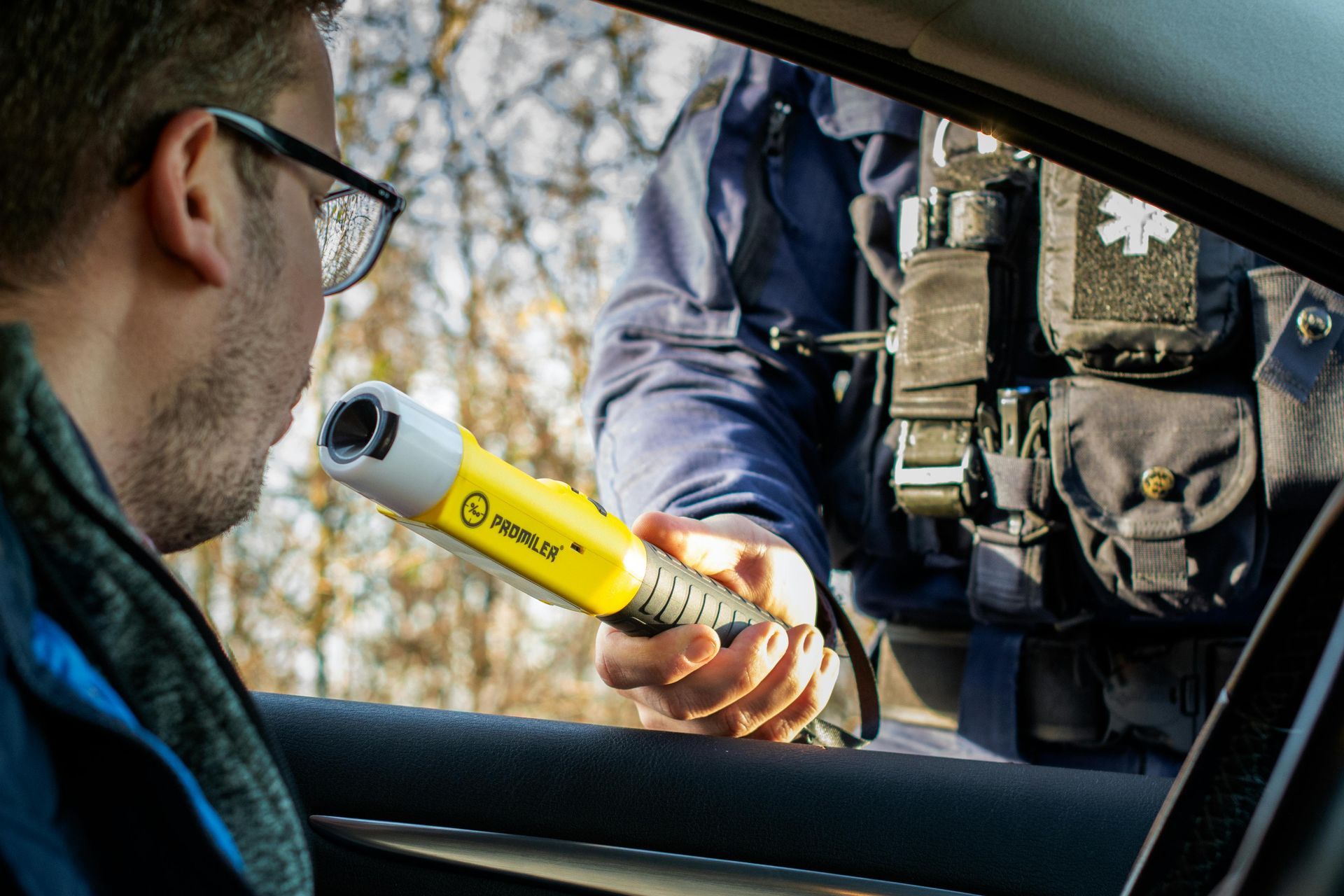
Many DUI cases are influenced long before a trial ever begins. One of the most important stages in the legal process involves pre-trial motions, which allow attorneys to challenge evidence, question police procedures, and protect a defendant’s constitutional rights.
A strong pre-trial strategy can sometimes lead to reduced charges, suppressed evidence, or even case dismissal.
What Are Pre-Trial Motions?
Pre-trial motions are formal requests made to the court before a DUI trial starts. These motions give attorneys the opportunity to address legal issues, challenge how evidence was collected, and limit what prosecutors can use in court.
In DUI cases, pre-trial motions often focus on whether law enforcement followed proper procedures during the traffic stop, arrest, and testing process.
Common Types of DUI Pre-Trial Motions
Several motions are commonly used in DUI defense cases, including:
- Motions to suppress evidence
- Motions to dismiss charges
- Motions challenging breathalyzer results
- Discovery motions requesting evidence from prosecutors
- Motions related to constitutional violations
Each motion is designed to strengthen the defense and identify weaknesses in the prosecution’s case.
Challenging the Traffic Stop
Police need a lawful basis for a traffic stop. The applicable standard depends on the type of stop, including separate rules for checkpoints. An attorney can review the facts and governing law. Michigan v. Sitz addresses a particular checkpoint under federal constitutional law; it does not establish that every checkpoint is lawful.
When a Stop May Be Invalid
If law enforcement lacked a valid reason for the stop, evidence gathered afterward may be challenged. This can include:
- Breath test results
- Field sobriety test results
- Statements made by the driver
- Observations from the arresting officer
If the court determines the stop was unlawful, important evidence may be excluded from the case.
Motions to Suppress Evidence
One of the most effective DUI defense tools is a motion to suppress evidence. This motion argues that certain evidence was collected improperly or in violation of constitutional rights.
Evidence Issues an Attorney May Review
The available challenge and remedy depend on the issue. Questions about testing reliability, admissibility and constitutional safeguards do not all lead to the same result.
An attorney may challenge evidence involving:
- Improper breathalyzer procedures
- Unlawful searches
- Statements obtained during custodial interrogation that may raise a Miranda issue
- Faulty field sobriety testing
- Mishandled blood samples
When evidence is suppressed, prosecutors may have difficulty proving the case beyond a reasonable doubt.
Challenging Breath and Field Sobriety Tests
Breathalyzer and field sobriety tests are not always accurate. Pre-trial motions can question whether the tests were properly administered and whether outside factors affected the results.
Potential Problems With DUI Testing
Common issues include:
- Poorly maintained breathalyzer devices
- Officer training errors
- Medical conditions affecting BAC results
- Uneven roads or poor weather during field tests
- Improper testing instructions
Even small procedural mistakes can create opportunities for the defense.
Discovery Motions in DUI Cases
Available records and disclosure procedures depend on the charge, court and applicable rules. Share the case paperwork you already have with counsel and ask what further material may be requested.
Evidence Often Requested
Discovery may include:
- Police reports
- Dashcam or bodycam footage
- Breathalyzer maintenance records
- Witness statements
- Lab reports and blood test results
Reviewing this information can uncover inconsistencies or procedural errors that strengthen the defense.
Why Pre-Trial Motions Matter
Pre-trial motions can significantly impact the outcome of a DUI case. In some situations, they lead to:
- Reduced charges
- Excluded evidence
- Stronger plea negotiations
- Dismissed cases
Even when a case proceeds to trial, successful motions can weaken the prosecution’s position and improve the defense’s chances.
Work With an Experienced DUI Attorney
Pre-trial motions require detailed legal knowledge and a strong understanding of DUI law. An experienced attorney can identify procedural mistakes, challenge unreliable evidence, and build a defense strategy focused on protecting your future.
If you are facing DUI charges, early legal representation can make a major difference in the outcome of your case.