
The Role of Evidence in Drug Offense Cases: Critical Factors and Legal Implications
TT Attorney • July 22, 2026

Share this article

Evidence and Trial Proceedings

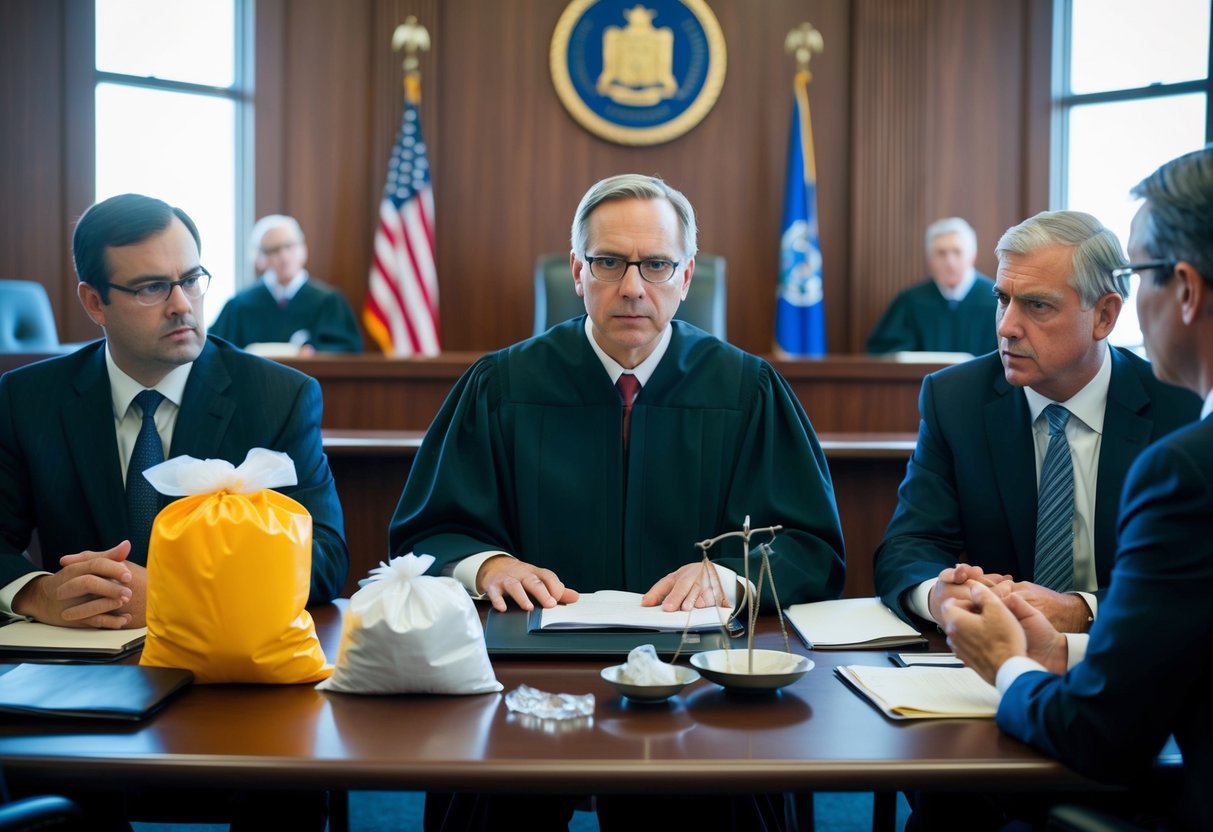
In drug offense cases, evidence plays a critical role from arrest to sentencing. Proper use of evidence can influence prosecutorial decisions, charge offers, and jury proceedings.

Types and Role of Evidence in Drug Cases

Different types of evidence are used in drug offense cases. Physical evidence includes recovered currency, drugs, and paraphernalia. Audio and video evidence might involve recordings of undercover operations or phone calls. Eyewitness identification by officers or informants is also crucial. Each type of evidence helps build the prosecution's case and can lead to a guilty plea or conviction.

The Implications of Evidence on Sentencing

The quality and quantity of evidence collected impacts sentencing. Strong evidence such as recorded admissions or video footage can lead to higher sentencing recommendations. Recovered currency and quantities of drugs may influence the severity of charges and the probability of harsher sentences. Our role is to present this evidence clearly to the judge or jury to argue for an appropriate sentence based on the evidence.

Challenges in Eyewitness Identification and Undercover Operations

Eyewitness identification and undercover operations face challenges. Eyewitnesses may make identification errors under stress, which can lead to wrongful convictions. Undercover officers must balance maintaining their cover while gathering usable evidence without violating legal procedures. Cross-examining eyewitnesses and evaluating the conduct of undercover operations is essential for ensuring just outcomes in trials.

Interaction Between Criminal Justice and Substance Abuse

The criminal justice system deals with many cases linked to substance abuse. Key areas include the connection between drug use and crime and the role of treatment programs in correctional settings.

Drug Use, Crime, and Incarceration

Drug use often leads to crime. Many incarcerated individuals are there due to offenses related to controlled substances. These crimes range from possession to distribution. Substance abuse disorders contribute to high prison populations.

Addiction can drive criminal behavior. This leads to repeated offenses and eventually recidivism. Criminal offenders with substance use disorders face a cycle of arrest and imprisonment. Addressing these issues holistically is crucial.

Drug courts offer an alternative. These courts focus on rehabilitation instead of punishment. They provide access to community treatment programs and medications like methadone or buprenorphine. This reduces relapse and crime rates.

Treatment Programs and Rehabilitation in Correctional Settings

Inmates often need help to combat addiction. Rehabilitation programs within prisons aim to provide this support. Treatment programs offer various services. These include counseling, medication, and behavioral therapy.

Medications like naltrexone are used to manage addiction. By treating substance use disorders, we can help reduce recidivism. Corrective measures without treatment often fail to prevent relapse.

Prison-based rehabilitation programs also prepare inmates for re-entry into society. These programs work alongside community treatment programs. This collaboration aims to create a support system post-release. Effective rehabilitation requires continuous support and necessary resources.

Policy and Plea Bargaining in Drug Offense Cases

In drug offense cases, policy and plea bargaining play crucial roles in shaping legal outcomes. These factors influence prosecutors' strategies and reflect evolving societal attitudes towards drug offenses.

The Role of Prosecutors and Plea Bargaining Strategies

Prosecutors often have significant discretion in drug offense cases. They can decide how to charge a defendant, what plea bargains to offer, and whether to prioritize treatment over punishment. Their strategies may depend on defendants' detention status , prior prison sentences , and multiple plea offers .

We see a focus on community supervision or addiction treatment in some cases rather than immediate incarceration. This approach aims to address public health crises like heroin and marijuana addiction. Prosecutors might offer reduced sentences in exchange for guilty pleas, thus avoiding lengthy trials.

Evolving Attitudes and Policy Impact on Drug Offenses

Public attitudes towards drug offenses have shifted, impacting policy decisions. Nowadays, there is more awareness of the need for public safety and addiction treatment over strict punishment.

Policies reflect this change by encouraging paths to recovery and employment for offenders rather than solely focusing on incarceration. For instance, NIDA has highlighted the importance of treating addiction as a health issue, not just a criminal one. This evolving perspective affects how we handle cases involving overdoses and minor drug offenses.

Recent Posts

By TT Attorney July 23, 2026
Learn how plea bargaining can affect the outcome of your case, with essential insights into the benefits and risks for defendants in criminal defense.
By TT Attorney July 23, 2026
Understanding Plea Bargaining
By TT Attorney July 22, 2026
Learn why legal advice is crucial during DUI checkpoints. Understand your rights, what to say or do, and how to protect yourself from unlawful procedures.
By TT Attorney July 22, 2026
Discover how DUI legal consultations help prepare a strong defense. Learn key strategies attorneys use to build your case and protect your rights effectively.
By TT Attorney July 22, 2026
Explore effective post-conviction relief strategies for DUI charges. Learn how to challenge sentences, reduce penalties, and protect your future after conviction.
By TT Attorney July 22, 2026
Facing a DUI trial in Marietta? Learn what to expect in court, how a DUI lawyer defends you, and what steps are taken to fight for the best possible outcome.
By TT Attorney July 22, 2026
Explore comprehensive DUI defense strategies designed to protect your rights. Learn how tailored legal plans can reduce charges and improve case outcomes.
By TT Attorney July 22, 2026
Learn how a DUI attorney navigates plea bargains to reduce charges and penalties. Explore key steps and strategies for building a stronger legal defense.
By TT Attorney July 22, 2026
Learn the value of professional legal advice in DUI cases. Discover key factors that impact your defense, protect your rights, and shape case outcomes.
By TT Attorney July 22, 2026
Explore DUI legal services in Marietta, GA. Get key insights on defense options, legal rights, and support for defendants and their families after an arrest.
Show More