
What to Expect During a DUI Court Hearing: A Step-by-Step Guide
Facing a DUI court hearing can be daunting. Arraignment is one stage for addressing charges and entering a plea. Legal preparation can begin before arraignment. Counsel can review the charges and available records at different stages of the case. The sequence of appearances and hearings depends on the court and case.
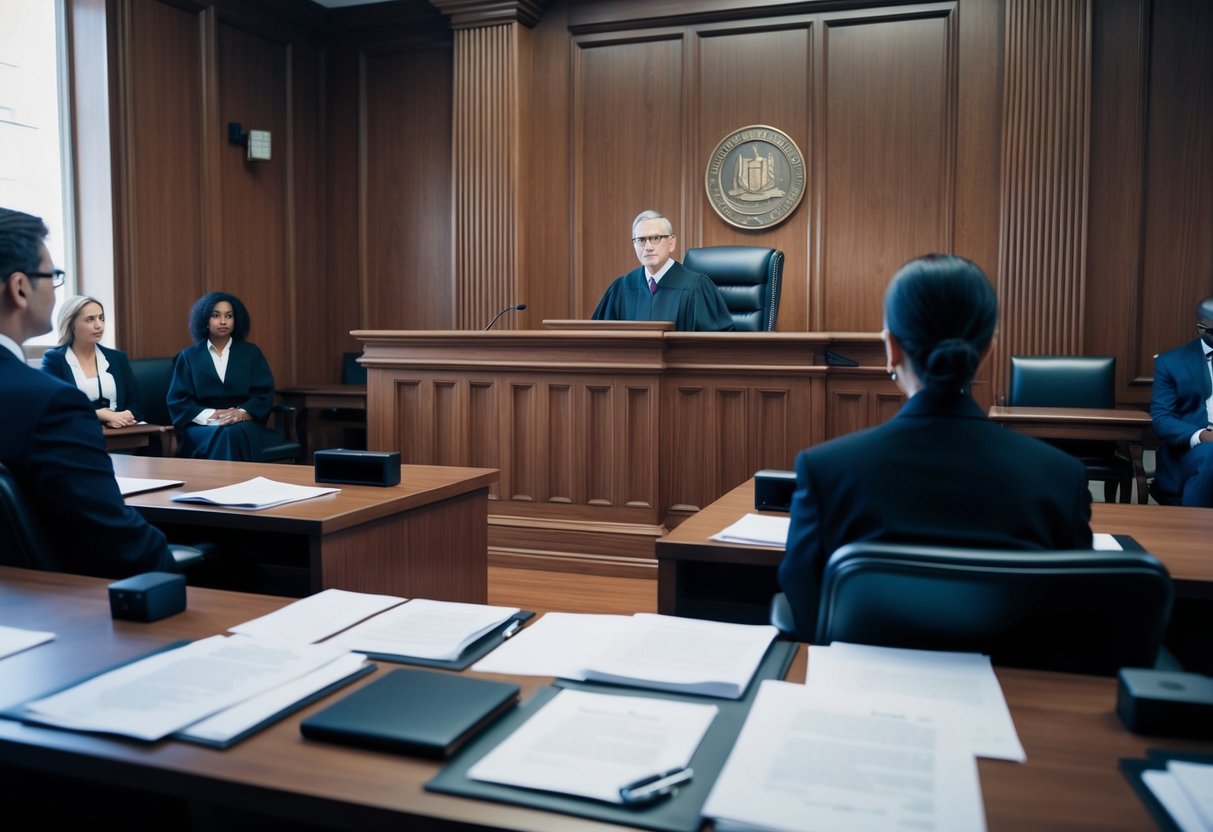
We should expect the presence of key figures, like the judge, our attorney, and the prosecutor. They will each play a role in the outcome of our case. The judge will oversee the proceedings, and our attorney will help us understand our rights and options.
At the hearing, we may also hear evidence against us. This could be police reports or results from a breathalyzer test. Being informed about these elements prepares us for what’s ahead and helps us make informed decisions through the DUI court process.
Preparing for Your First Court Appearance
We must get ready for our first court appearance after a DUI arrest. Understanding the process, knowing the attorney’s role, and being aware of bail conditions can help us feel more prepared.
Understanding the DUI Arraignment Process
Arraignment addresses the charges and entry of a plea; earlier court appearances may occur. Your attorney can explain the plea options and procedure that apply in your court.
At this stage, we should have all the documents related to our arrest handy. We need to know details like the date, time, and BAC level recorded. These details can be discussed with our attorney to determine the best plea strategy.
The Role of Your Attorney
Our attorney plays a vital role in guiding us through this process. They explain the charges and offer advice on how to proceed. If we can’t afford a private lawyer, we may qualify for a public defender. Court-appointed attorneys assist those who meet specific financial criteria.
It’s essential to communicate everything with our attorney. Providing them with a complete picture of the situation helps them defend us better. They can negotiate with the prosecutor, potentially reducing charges or penalties.
Assessing Bail and Release Conditions
When we appear in court, we may hear about bail and release conditions. Bail is a sum of money we might need to post to ensure we return for future court appearances. The judge determines the bail amount based on several factors like our past record and the severity of the DUI charge.
Understanding possible release conditions is crucial. Conditions might include restrictions on travel or requirements to attend counseling sessions. Our attorney can help us make sense of these terms, aiming for the least restrictive measures possible.
Being informed and ready helps us navigate the complexities of our first DUI court appearance with more confidence.
Key Phases of the DUI Court Hearing
We walk through the main parts of a DUI court hearing, focusing on plea bargain options, the process of the hearing itself, and the examination of evidence. These elements are crucial in determining how a case moves forward. Each phase demands careful consideration from us to ensure we understand potential outcomes.
Plea Bargain Considerations
A plea agreement can affect the charge and penalties, but its criminal-history and driving-record effects depend on the disposition and governing law. A DUI plea does not, by itself, establish record removal. Review those effects with counsel before entering a plea.
Plea Negotiations are key. They involve discussions between our defense and the prosecution. These talks aim to reach a fair agreement. Yet, we need to weigh the benefits carefully. Accepting a plea can mean admitting guilt, which might have long-term effects.
The Plea Bargain Process involves understanding the strengths and weaknesses of the case. We’ll need to review the evidence against us and decide if a plea is our best option. It’s crucial to consult with legal counsel to fully grasp the implications of accepting a plea deal.
Hearing Procedures and Motions
The sequence of negotiations, motion hearings and trial depends on the court and case. Plea discussions do not create a universal starting point for every hearing. A motion to suppress asks the court to exclude evidence on an applicable legal basis; the ruling depends on the issue and circumstances.
We may observe steps where prosecution and defense present their sides. We’ll hear testimonies, examine evidence, and argue legal points. This hearing is essential for ensuring our rights are respected and the law is applied fairly.
During these stages, we might face various motions from both sides, seeking to shape the trial’s conditions. It’s important to comprehend these legal maneuvers as they can greatly impact our case.
Evidence and Discovery
In the Discovery phase, we gain access to the evidence the prosecution plans to use. This process allows us to prepare our defense effectively. We might receive police reports, test results, and other crucial documents.
Analyzing this evidence is critical. We’ll need to look for inconsistencies, errors, or anything that could strengthen our defense. For instance, mistakes in breathalyzer tests or mishandling evidence can be pivotal.
Understanding the Discovery rules helps us avoid surprises at trial. By knowing what evidence exists, we can form a more solid defense, potentially even challenging the prosecution’s case against us.
Trial and Judgment
In a DUI court hearing, several critical steps shape the path to a verdict. We will focus on the concept of the burden of proof, different strategies employed by both prosecution and defense, and how jury deliberations lead to a final decision.
Understanding the Burden of Proof
In a DUI case, the burden of proof lies with the prosecution. They must prove the defendant’s guilt beyond a reasonable doubt . This is a high standard, requiring clear evidence. It’s our responsibility to understand this, as it impacts how the trial unfolds.
The prosecution will present evidence such as breathalyzer results, field sobriety tests, and witness testimonies. Each piece must be scrutinized carefully. The defense, conversely, needs only to raise enough doubt about the prosecution’s evidence to prevent a guilty verdict.
The prosecution must prove guilt beyond a reasonable doubt. The court’s instructions explain how that standard applies. In re Winship explains the constitutional proof standard.
Examining Prosecution and Defense Strategies
During a DUI trial, both sides use specific strategies. The prosecution starts with opening statements, laying out what they believe the evidence shows. They aim to convince us of guilt by presenting witnesses and expert testimonies.
On the other hand, the defense attorney may challenge this by questioning the accuracy of tests or the credibility of witnesses. They might argue procedural errors or suggest alternative interpretations of the evidence.
In closing arguments , both sides summarize their cases. The prosecution seeks to reinforce their narrative, while the defense emphasizes doubt. This push and pull of strategies aim to sway the jury’s decision.
Jury Deliberation and Verdict Outcomes
In a jury trial, jurors assess the evidence under the court’s instructions and decide whether the prosecution has met its burden to prove guilt beyond a reasonable doubt. The defendant is not the jury’s decision maker.
Deliberations can result in a unanimous verdict. If the jury finds enough evidence, they vote guilty; if not, they vote not guilty. Sometimes, they can’t reach a decision, resulting in a hung jury , which could lead to a retrial.
This phase demands careful judgment, as the verdict influences not just the defendant, but carries significant legal and personal outcomes.
After the Verdict: Sentencing and Appeals
Once a DUI verdict is reached, we need to prepare for what comes next. Sentencing can vary widely, and understanding the options for appeals is crucial.
Potential DUI Penalties and Sentencing
When it comes to DUI penalties , they can range from fines to jail time. The severity of the punishment often depends on factors like Blood Alcohol Content (BAC) levels, previous DUI convictions, and the circumstances of the arrest.
Jail time is more likely if the BAC was very high or if it wasn’t your first offense. Fines can be substantial and may vary by state. Probation periods and community service are common and require compliance to avoid further penalties.
It’s important to note that court-ordered rehabilitation programs may be required. These programs aim to reduce repeat offenses and improve public safety. Discussing options with our DUI defense attorney can help us understand the likely outcomes and prepare for sentencing.
License Suspension and Ignition Interlock
License suspension is a frequent consequence following a DUI conviction. The suspension length can depend on the severity of our case and any past offenses.
Ignition interlock and limited-permit options depend on the suspension and governing rules. A limited permit can allow specified driving without restoring an unrestricted license. Confirm eligibility and requirements with counsel and the licensing agency. See Georgia DDS limited driving permit guidance.
We should also be ready for restricted licenses that only allow driving to specific places like work or school. It’s important to follow all requirements to prevent further legal issues. Staying in contact with our criminal defense attorney can ensure we make the best decisions during this period.
Appealing a DUI Conviction
If we believe there was an error during our DUI trial, we may have the right to appeal the conviction. An appeal is not a new trial but a request for a higher court to review the case.
Grounds for appeal can include lack of probable cause , errors in admitting chemical tests , or problems with the field sobriety test . It requires a thorough examination of the court record and often hinges on procedural mistakes made during our initial trial.
Working with a skilled DUI defense attorney can provide insight into the chance of a successful appeal. It’s essential to act quickly, as there’s a limited time to file an appeal after the initial conviction.